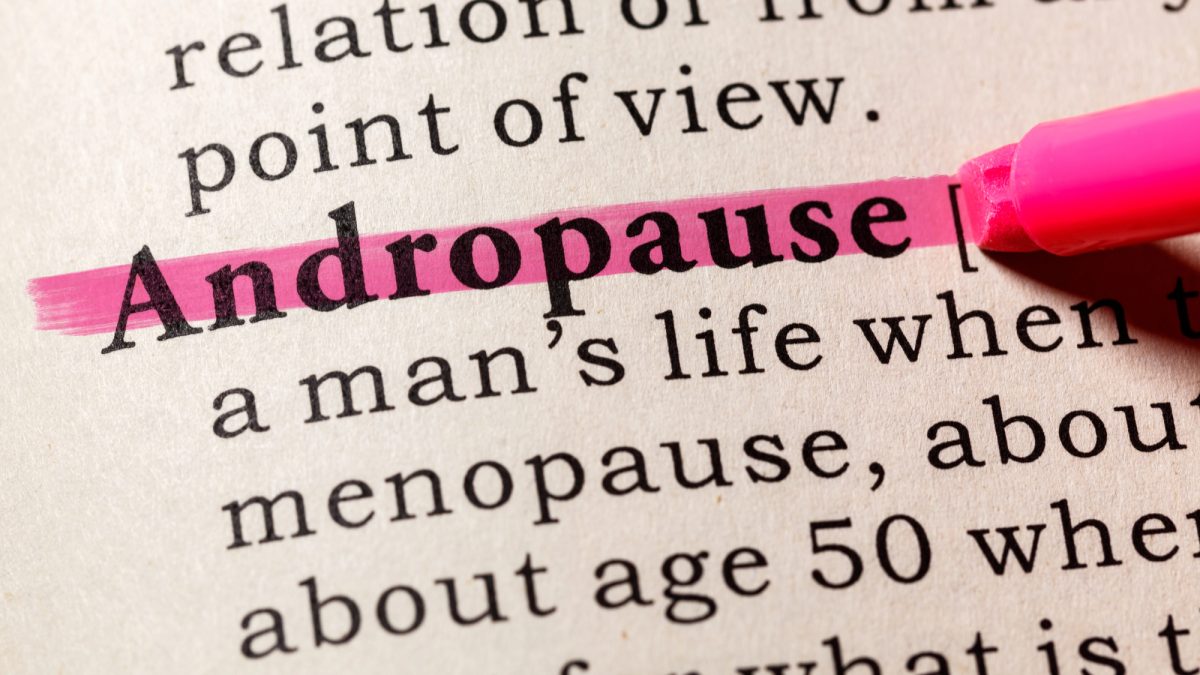
When we talk about hormones and midlife health changes the conversation often centres around women but men can experience hormonal changes too. During Men’s Health Week June 8th – 14th we wanted to shine a light on a topic that many people have heard mentioned but may not fully understand: andropause.
Sometimes referred to as the ‘male menopause andropause describes the gradual decline in testosterone levels that can happen as men get older. Unlike menopause in women, which tends to happen over a shorter period of time, hormonal changes in men are usually much slower and more subtle.
Testosterone naturally decreases with age, often beginning from around the age of 30 onwards. For some men, this decline may have little impact, while others may notice a range of physical, emotional and mental changes. Symptoms can include:
- Low energy or ongoing fatigue
- Reduced motivation or confidence
- Low mood or irritability
- Brain fog or difficulty concentrating
- Reduced muscle mass or strength
- Weight gain, particularly around the middle
- Lower libido or sexual difficulties
- Poor sleep
What’s important to remember is that these symptoms can also be linked to stress, lifestyle, poor sleep, mental health struggles or other medical conditions – which is why seeking support and medical advice is so important.
Unfortunately, many men still feel uncomfortable talking about their health, particularly when symptoms affect mood, confidence or intimacy. That silence can lead to people struggling for much longer than they need to.
At Menopaus’ull, we believe conversations around hormonal health should include everyone. Whether it’s menopause, perimenopause, menstrual health or andropause, education and open discussion help break stigma and encourage people to seek support sooner.
Healthy lifestyle changes such as regular exercise, balanced nutrition, good sleep and stress management can all play an important role in supporting hormonal health. In some cases, medical investigations or treatment may also be appropriate, so it’s always worth speaking to a healthcare professional if symptoms are affecting daily life.
This Men’s Health Week, let’s continue encouraging honest conversations, supporting one another and recognising that hormonal health matters for everyone.
References: