During menopause many women begin to notice changes in their bodies that can feel confusing and sometimes frustrating. Energy levels may dip, weight can become harder to manage, recovery after exercise may take longer and strength may gradually decline – even when lifestyle habits have not changed that much.
One of the biggest reasons for this can be down to the natural decline in oestrogen during perimenopause and menopause. Oestrogen plays an important role in maintaining muscle mass, bone strength, metabolism and overall energy levels. As hormone levels fluctuate the body can begin to lose muscle more quickly. A process that naturally happens with age but can speed up during menopause.
This is why conversations around protein and strength are becoming increasingly important for women in midlife.
The good news is that small changes can make a powerful difference.
Why muscle matters during menopause
Muscle is about far more than appearance. Maintaining muscle strength supports almost every aspect of long-term health and wellbeing.
Healthy muscle mass can help to:
- Support metabolism and energy levels
- Improve balance and mobility
- Protect bone health
- Reduce risk of injury
- Improve posture and joint support
- Support blood sugar regulation
- Increase confidence and independence as we age
Many women focus solely on weight during menopause but strength and nourishment are just as important.
Building and maintaining muscle is not about becoming a bodybuilder or spending hours in the gym. It can begin with simple, manageable habits such as walking, resistance bands, bodyweight exercises or lifting light weights consistently over time.
So where does protein come in?
Protein is one of the key building blocks our bodies use to repair and maintain muscle tissue.
As we age the body becomes less efficient at processing protein, meaning women in menopause often need slightly more protein than they did in earlier life to support muscle health and recovery.
Eating enough protein throughout the day may help with:
- Feeling fuller for longer
- Reducing energy crashes
- Supporting muscle repair and recovery
- Maintaining strength
- Supporting healthy ageing
- Managing appetite and cravings
Protein can also play an important role in supporting overall wellbeing and helping the body cope better with the physical changes menopause can bring.
Simple ways to increase protein
Adding more protein does not need to feel overwhelming or restrictive. Small but realistic changes can have a positive impact over time.
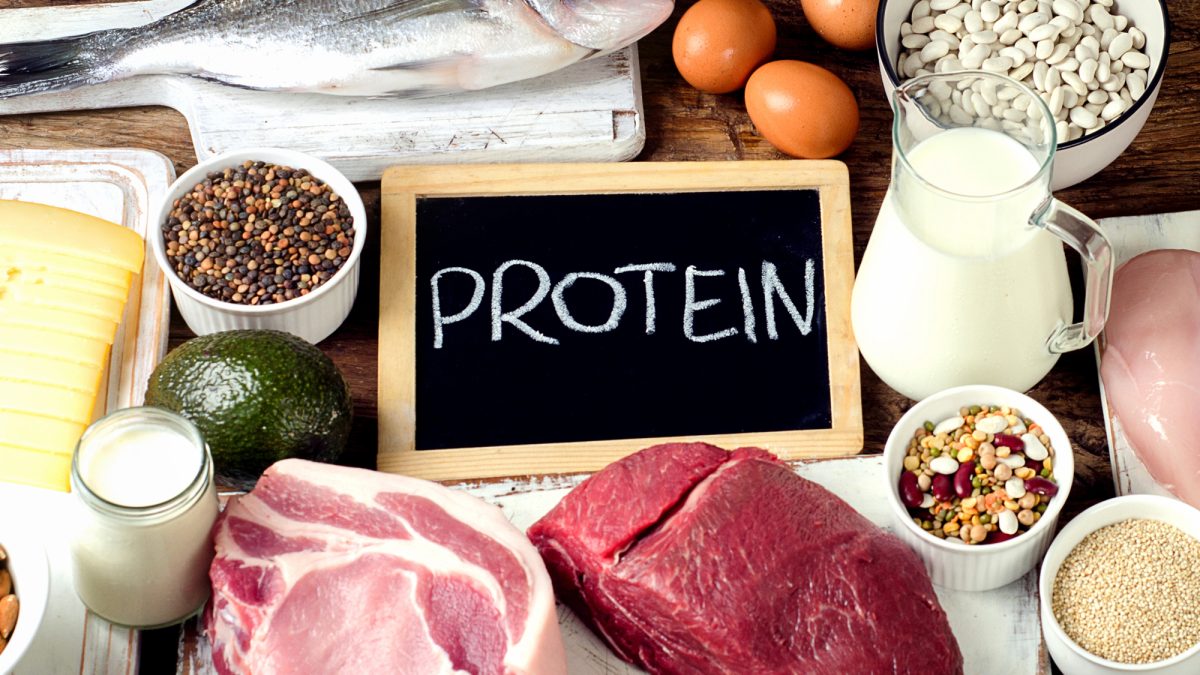
Some easy protein-rich foods include:
- Eggs
- Greek yoghurt
- Chicken or turkey
- Fish
- Tofu and beans
- Cottage cheese
- Nuts and seeds
- Lentils
- Protein oats or overnight oats
- Milk and dairy products
A helpful place to start is simply aiming to include a source of protein with each meal or snack.
For example:
- Greek yoghurt with berries at breakfast
- Eggs on toast for lunch
- A handful of nuts during the afternoon
- Chicken, fish or lentils added to your evening meal
There can sometimes be a misconception that strength training or prioritising protein is only for younger people or fitness enthusiasts. In reality, menopause is one of the most important times to begin supporting muscle health.
Strength during menopause is not about chasing perfection. It is about supporting the body kindly and consistently so women can feel healthier, more energised and more confident in everyday life.
Even small steps matter.
Whether it is taking regular walks, attending a strength class, increasing protein intake or simply becoming more aware of how to support the body through midlife – every positive habit counts!
At Menopaus’ull, we believe menopause should be a time to prioritise wellbeing, not neglect it. Looking after muscle health today can help support strength, resilience and independence for years to come.