
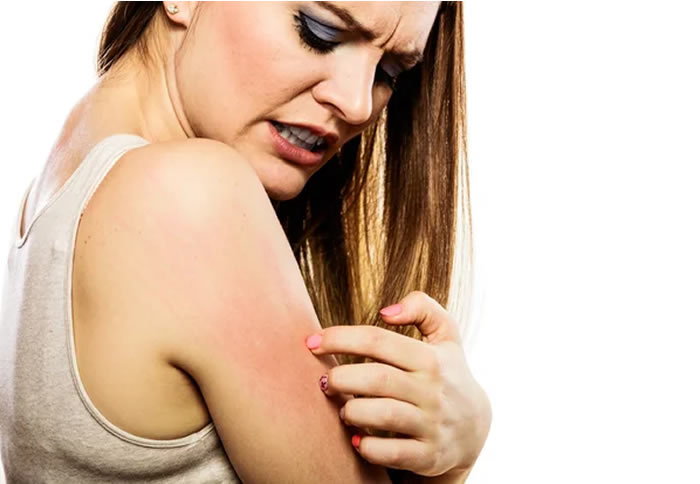
Itchiness is a common symptom that women may experience during menopause. The hormonal changes during menopause can cause changes in the skin, leading to dryness and itching.
To cope with and treat itchiness during menopause, women can take several steps to support their skin health and well-being. These include:
- Moisturising: Moisturising regularly can help to keep the skin hydrated and reduce itching. Using a fragrance-free moisturiser can be particularly helpful.
- Using gentle soaps: Using gentle, fragrance-free soaps can help to reduce irritation and itching.
- Wearing loose-fitting clothing: Wearing loose-fitting clothing made of natural fibers, such as cotton or linen, can help to reduce irritation and itching.
- Avoiding hot showers or baths: Hot water can strip the skin of natural oils, leading to dryness and itching. Using lukewarm water and limiting time in the shower or bath can help to reduce these effects.
- Trying over-the-counter remedies: Over-the-counter remedies, such as hydrocortisone cream or antihistamines, can help to reduce itching and irritation.
- Seeking medical attention: If itching is severe or persists despite these measures, it may be necessary to seek medical attention. A doctor can perform a physical examination, order tests, and provide guidance on appropriate treatment options.
Overall, while itchiness can be a frustrating and uncomfortable symptom of menopause, there are several steps that women can take to support their skin health and alleviate symptoms. By moisturizing regularly, using gentle soaps, wearing loose-fitting clothing, avoiding hot showers or baths, trying over-the-counter remedies if appropriate, and seeking medical attention when necessary, women can manage itchiness and maintain a healthy and active lifestyle during menopause.


